
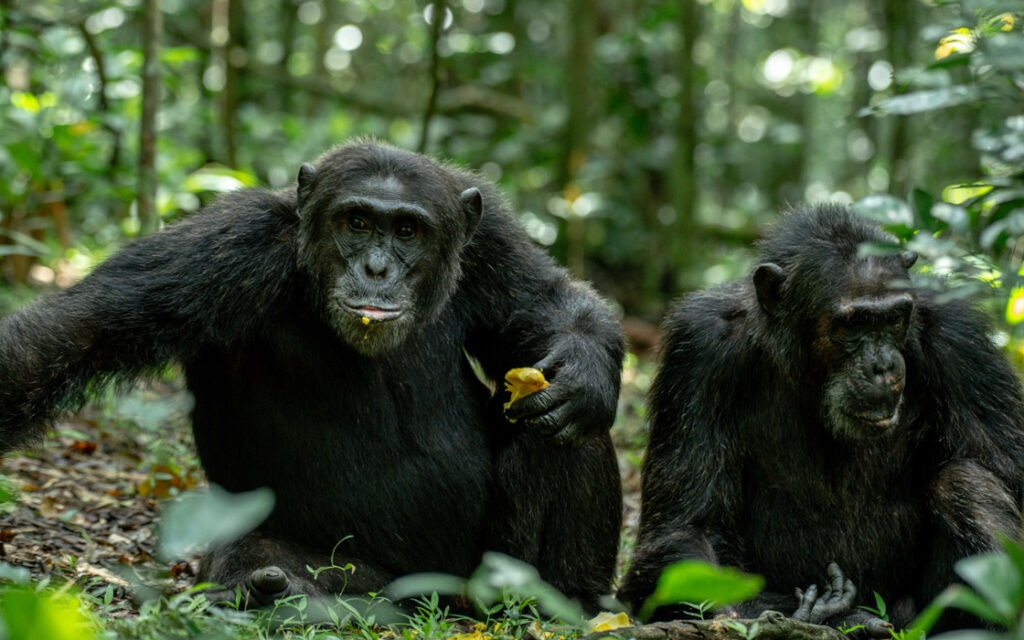
Bwindi Impenetrable National Park (NP) is one of Africa’s most extraordinary conservation landscapes and Uganda’s most iconic tourism destination. Located in southwestern Uganda along the Albertine Rift Valley, Bwindi is globally celebrated for its endangered mountain gorillas, dense primeval rainforest, remarkable biodiversity, and transformative eco-tourism model.
This comprehensive guide provides an in-depth exploration of Bwindi — its geography, ecology, wildlife, gorilla trekking sectors, conservation impact, cultural heritage, accommodation, travel logistics, and economic significance.
Introduction to Bwindi Impenetrable National Park
Established as a national park in 1991, Bwindi spans approximately 331 square kilometers of montane and lowland forest. In 1994, it was declared a UNESCO World Heritage Site due to its exceptional biodiversity and ecological value.
Bwindi’s name “Impenetrable” reflects its dense vegetation — thick vines, shrubs, bamboo stands, and towering hardwood trees that make off-trail movement extremely difficult.
Bwindi forms part of the larger Virunga conservation ecosystem, which extends into:
- Rwanda
- Democratic Republic of the Congo
Geographic Location and Accessibility
Bwindi lies across four districts in southwestern Uganda:
- Kanungu
- Kabale
- Kisoro
- Rubanda
Nearest urban centers include:
- Kabale
- Kisoro
Distance from Kampala:
- 8–10 hours by road
- Approximately 1 hour by domestic flight to Kihihi or Kisoro airstrip
Road travel offers scenic views of rolling hills, terraced farms, and crater lakes.
Ecological Significance
Bwindi is one of the most biologically diverse forests in Africa.
Altitude Range
1,160 to 2,607 meters above sea level.
Ecosystem Type
- Afromontane rainforest
- Transitional forest between lowland and montane systems
The forest is estimated to be over 25,000 years old, making it one of Africa’s oldest surviving rainforests.
Mountain Gorillas of Bwindi
Bwindi is home to nearly half of the world’s remaining mountain gorillas.
The mountain gorilla subspecies is scientifically classified as:
Gorilla beringei beringei
Conservation efforts have significantly increased their population in recent decades.
Gorillas live in family groups led by a dominant silverback male. Each group contains females, juveniles, and infants.
Gorilla Trekking Experience
Gorilla trekking is the park’s main attraction.
The process involves:
- Early morning briefing by park rangers
- Assignment to a gorilla family
- Guided forest hike
- One hour of observation once gorillas are located
Permits are issued by the Uganda Wildlife Authority.
Current Permit Fees:
- USD 800 (Foreign Non-Residents)
- USD 700 (Foreign Residents)
- UGX 300,000 (East African Citizens)
Only 8 visitors per gorilla family per day are allowed.
Gorilla Trekking Sectors
Bwindi is divided into four sectors:
Buhoma Sector
Located in the north, Buhoma is the most accessible and historically the first trekking area developed.
Ruhija Sector
Higher elevation terrain, excellent for birdwatching.
Rushaga Sector
Largest number of habituated families. Offers Gorilla Habituation Experience (4-hour encounter).
Nkuringo Sector
Steep and scenic, physically demanding treks.
Biodiversity Overview
Bwindi contains:
- Over 120 mammal species
- 350+ bird species
- 200+ butterfly species
- 1,000+ flowering plants
Mammals
- Forest elephants
- Giant forest hogs
- L’Hoest’s monkeys
- Black-and-white colobus monkeys
Birds
Bwindi is a premier birding destination in Africa.
Notable species include:
- African green broadbill
- Shelley’s crimsonwing
- Rwenzori turaco
Vegetation and Forest Structure
The park contains multiple vegetation zones:
- Montane forest
- Bamboo zones
- Riverine forest
- Swampy valley bottoms
Thick undergrowth and vines justify the “impenetrable” designation.
Climate and Best Time to Visit
Bwindi has a tropical highland climate.
Dry Seasons:
- June to August
- December to February
Rainy Seasons:
- March to May
- September to November
Dry months are ideal for trekking due to reduced mud and better trail conditions.
Cultural Communities Around Bwindi
The Batwa People
The Batwa are indigenous forest dwellers displaced when Bwindi became a national park.
Cultural experiences include:
- Traditional music and dance
- Forest survival demonstrations
- Storytelling
Tourism revenue supports Batwa community projects.
Conservation and Global Importance
Bwindi plays a critical role in global conservation.
It supports:
- Anti-poaching patrols
- Gorilla veterinary monitoring
- Community revenue-sharing programs
Mountain gorilla populations have increased due to coordinated conservation between Uganda, Rwanda, and DR Congo.
Accommodation Options
Luxury Lodges
- Sanctuary Gorilla Forest Camp
- Nkuringo Bwindi Gorilla Lodge
Mid-Range
- Buhoma Lodge
Budget
- Community bandas
- Campsites
Accommodation varies by sector.
Economic Impact on Uganda
Tourism is a top foreign exchange earner for Uganda.
Gorilla trekking is the flagship product.
Uganda is often referred to as “The Pearl of Africa,” a phrase popularized by Winston Churchill.
Bwindi contributes significantly to:
- Employment
- Infrastructure development
- Community healthcare
- Education funding
Health and Safety Guidelines
Visitors must:
- Maintain 7-meter distance from gorillas
- Avoid trekking if ill
- Follow ranger instructions
- Wear appropriate hiking gear
Strict health protocols protect gorillas from human diseases.
Photography in Bwindi
- No flash photography
- Natural light recommended
- DSLR cameras ideal
- Carry waterproof protection
Research and Scientific Importance
Bwindi attracts international researchers studying:
- Primate behavior
- Forest ecology
- Climate adaptation
- Biodiversity conservation
Long-term ecological monitoring continues.
Challenges Facing Bwindi
- Human-wildlife conflict
- Population pressure around park boundaries
- Climate change
- Habitat fragmentation
Community-based conservation remains essential.
Bwindi vs Other Gorilla Destinations
Comparison with:
- Volcanoes National Park
- Virunga National Park
Bwindi offers:
- Larger forest coverage
- Greater gorilla population
- More trekking sectors
- Lower permit cost than Rwanda
Sample 3-Day Gorilla Trekking Itinerary
Day 1: Travel from Kampala to Bwindi
Day 2: Gorilla trekking experience
Day 3: Cultural tour and return
Why Bwindi Remains Africa’s Top Gorilla Destination
Bwindi combines:
- Biodiversity
- Conservation success
- Cultural richness
- Scenic beauty
- Community empowerment
It is not merely a park — it is a global conservation model.
Conclusion
Bwindi Impenetrable National Park represents one of the world’s greatest conservation achievements. From mountain gorilla recovery to community eco-tourism development, Bwindi stands as a symbol of sustainable wildlife protection.
For travelers, conservationists, researchers, and policymakers alike, Bwindi is an ecological treasure and a cornerstone of Uganda’s tourism economy.
Leave a Reply