
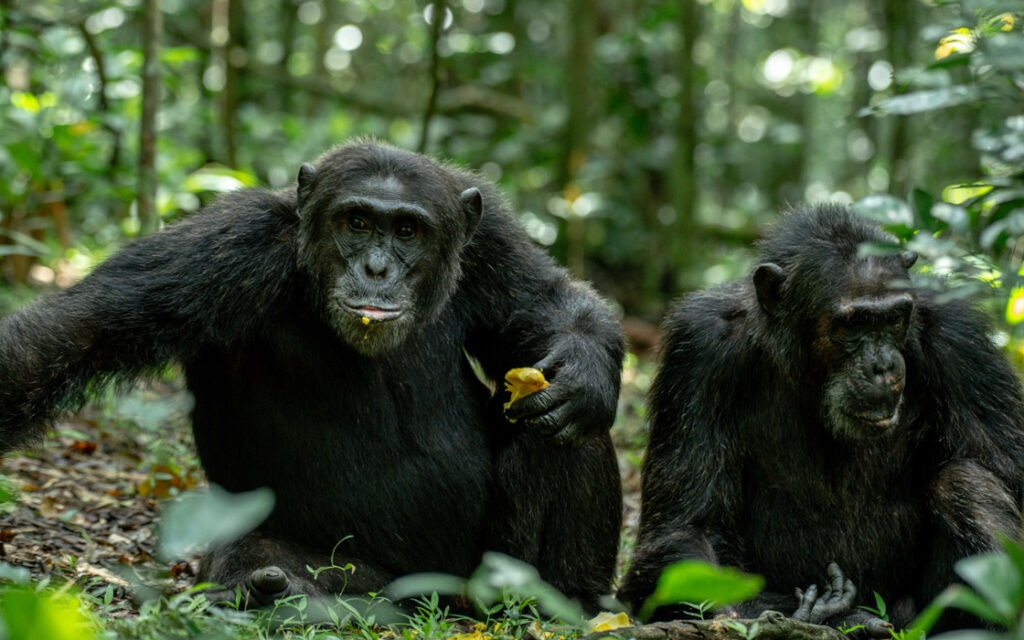
Kibale Forest National Park is widely recognized as the primate capital of the world and one of East Africa’s most biodiverse tropical rainforests. Located in western Uganda, near the town of Fort Portal, this extraordinary conservation area is globally celebrated for its chimpanzee tracking experiences, rich biodiversity, and immersive eco-tourism opportunities.
Covering approximately 795 square kilometers, Kibale features a dense, moist evergreen forest ecosystem interspersed with grasslands and swamps. The park sits at an altitude between 1,100 and 1,600 meters above sea level, creating a cool and humid microclimate that supports an incredible range of flora and fauna.
For safari operators building high-ranking tourism content, Kibale Forest National Park is a cornerstone destination in Uganda’s safari circuit—often combined with gorilla trekking, Big Five safaris, and cultural tours.
Location and Accessibility
Kibale Forest National Park lies in western Uganda, approximately:
- 320 km from Kampala (about 5–6 hours by road)
- 30–45 minutes from Fort Portal town
- Near Queen Elizabeth National Park (2–3 hours by road)
Its strategic location makes it easy to combine with:
- Queen Elizabeth National Park
- Bwindi Impenetrable National Park
- Murchison Falls National Park
This makes Kibale an essential component of multi-destination Uganda safari packages.
Why Kibale Forest Is Called the Primate Capital of the World
Kibale Forest National Park is home to:
- 13 primate species (highest concentration in East Africa)
- Over 1,500 chimpanzees
- Red colobus monkeys
- L’Hoest’s monkeys
- Black-and-white colobus monkeys
- Olive baboons
- Grey-cheeked mangabeys
- Blue monkeys
The density and diversity of primates here are unmatched, making Kibale one of Africa’s most scientifically important forests.
Chimpanzee Tracking in Kibale Forest National Park
What Is Chimpanzee Tracking?
Chimpanzee tracking is a guided forest walk led by trained Uganda Wildlife Authority (UWA) rangers. Visitors follow chimpanzee calls, nesting signs, and feeding trails until they locate a habituated troop.
Once found, visitors are allowed one hour to observe the chimpanzees in their natural habitat.
What Makes Kibale the Best Place for Chimpanzee Tracking?
- High success rate (over 90%)
- Well-habituated chimpanzee communities
- Experienced ranger guides
- Easily accessible forest terrain compared to other chimp locations
Chimpanzees in Kibale are highly active and social. Visitors often witness:
- Grooming rituals
- Loud pant-hooting calls
- Tree climbing
- Hunting behaviors
- Playful juvenile interactions
This immersive experience is one of Uganda’s most sought-after safari activities.
Chimpanzee Habituation Experience (CHEX)
Unlike standard tracking, the Chimpanzee Habituation Experience allows visitors to spend up to four hours with researchers and rangers observing semi-habituated chimpanzees.
This offers deeper insights into:
- Feeding patterns
- Nest building
- Social hierarchy
- Communication systems
It is ideal for photographers, researchers, and wildlife enthusiasts seeking extended engagement.
Other Wildlife in Kibale Forest
Although primates are the main attraction, Kibale is also home to:
- Forest elephants
- Bush pigs
- Duikers
- Buffalo (rare sightings)
- Over 375 bird species
Bird species include:
- African grey parrot
- Green-breasted pitta
- Great blue turaco
The forest canopy creates an ideal environment for birdwatching and nature photography.
Bigodi Wetland Sanctuary
Adjacent to Kibale Forest is the renowned Bigodi Wetland Sanctuary. This community-managed eco-tourism project offers:
- Guided swamp walks
- Birdwatching tours
- Cultural encounters
- Primate sightings
Bigodi is famous for its rich birdlife and strong conservation partnership between local communities and tourism operators.
Flora and Ecosystem Diversity
Kibale features:
- Evergreen rainforest
- Deciduous forest patches
- Riverine systems
- Swamp vegetation
Tree species include:
- Mahogany
- Fig trees
- Albizia
- Wild coffee
The forest canopy reaches heights of over 50 meters, creating a layered ecosystem supporting countless insects, reptiles, amphibians, and mammals.
Cultural Experiences Around Kibale
The communities surrounding Kibale include the Batooro and Bakiga people. Cultural experiences may include:
- Traditional dances
- Banana brewing demonstrations
- Homestead visits
- Craft workshops
These cultural add-ons enrich safari itineraries and support community-based tourism.
Best Time to Visit Kibale Forest National Park
Kibale is open year-round, but the best times are during Uganda’s dry seasons:
- June to September
- December to February
During these months:
- Trails are less muddy
- Wildlife tracking is easier
- Photography conditions improve
However, chimpanzee sightings remain strong even in the rainy season.
Accommodation in Kibale Forest National Park
Kibale offers diverse lodging options:
Luxury Lodges
High-end eco-lodges offering forest views, fine dining, and private experiences.
Mid-Range Lodges
Comfortable safari lodges with modern amenities.
Budget Camps
Affordable guesthouses and tented camps ideal for backpackers.
Many lodges emphasize eco-friendly design, solar power, and sustainability practices.
Combining Kibale With Other Uganda Safari Destinations
A popular itinerary includes:
- Chimpanzee tracking in Kibale
- Game drives in Queen Elizabeth National Park
- Boat cruise on the Kazinga Channel
- Gorilla trekking in Bwindi
- Rhino tracking at Ziwa Rhino Sanctuary
This circuit creates a comprehensive Ugandan wildlife experience.
Conservation and Research in Kibale
Kibale hosts long-term research programs studying:
- Chimpanzee behavior
- Primate ecology
- Forest regeneration
- Climate change impact
Organizations such as the Kibale Chimpanzee Project contribute to global primate conservation knowledge.
Tourism revenue plays a significant role in:
- Anti-poaching patrols
- Community development
- Habitat protection
What to Pack for Kibale Forest Safari
Essential items include:
- Waterproof hiking boots
- Long-sleeved shirts
- Rain jacket
- Insect repellent
- Camera with telephoto lens
- Gardening gloves (for gripping vegetation)
The forest environment can be humid and muddy, so preparation is key.
Health and Safety Guidelines
Visitors must:
- Maintain a 7-meter distance from chimpanzees
- Avoid tracking if sick (to prevent disease transmission)
- Follow ranger instructions strictly
- Limit flash photography
Uganda Wildlife Authority enforces strict primate interaction rules to protect both animals and visitors.
Photography in Kibale Forest
Kibale offers incredible photography opportunities:
- Action shots of chimpanzees
- Dense jungle landscapes
- Birdlife portraits
- Cultural imagery
Recommended lens: 70–200mm or 100–400mm for wildlife.
Sample 3-Day Kibale Safari Itinerary
Day 1: Arrival
Transfer from Kampala to Kibale via Fort Portal. Evening relaxation at lodge.
Day 2: Chimpanzee Tracking
Morning tracking excursion. Afternoon Bigodi Wetland walk.
Day 3: Nature Walk or Crater Lakes Tour
Explore nearby crater lakes before departure.
Why Kibale Forest National Park Should Be on Your Safari Bucket List
Kibale offers:
- World-class chimpanzee encounters
- Highest primate diversity in Africa
- Rich biodiversity
- Accessible terrain
- Strong conservation framework
- Easy combination with Uganda’s major parks
It is not just a safari destination—it is an immersive rainforest experience.
Conclusion
Kibale Forest National Park stands as one of Africa’s premier eco-tourism destinations. Its dense tropical rainforest, unmatched primate diversity, and transformative chimpanzee tracking experiences position it as a must-visit location for wildlife enthusiasts and conservation-minded travelers.
Whether you are crafting Uganda safari packages, building SEO tourism content, or planning a personal adventure, Kibale Forest National Park represents the pinnacle of primate tourism in East Africa.
Leave a Reply