
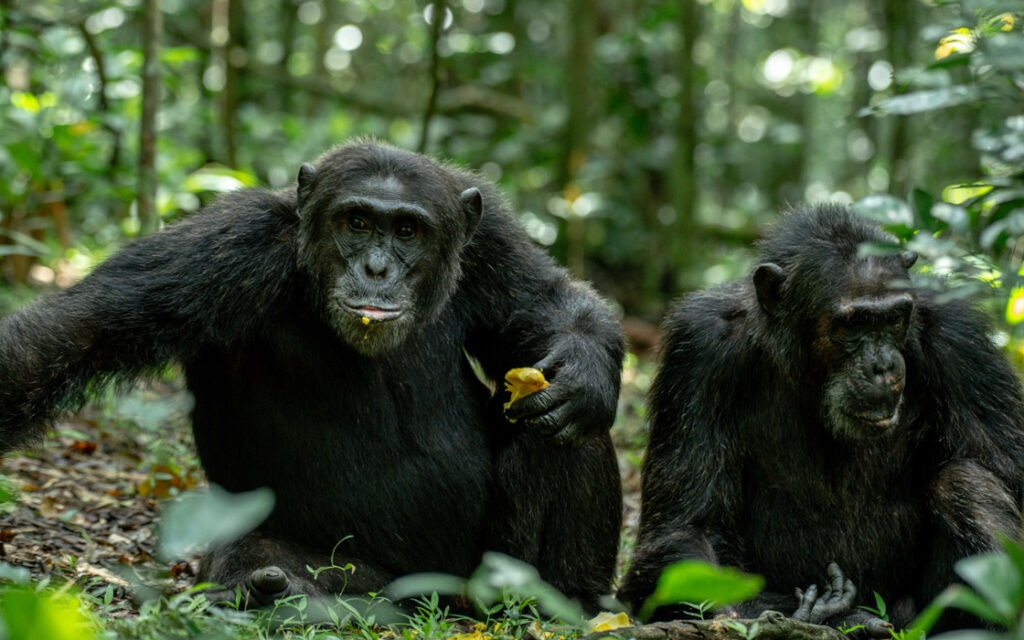
Tanzanian safaris represent the gold standard of African wildlife travel. Home to some of the most iconic national parks and conservation areas on Earth, Tanzania offers safari experiences that are raw, dramatic, diverse, and deeply authentic. From the endless plains of the Serengeti and the world-famous Great Migration to the breathtaking Ngorongoro Crater and the untamed wilderness of southern Tanzania, safaris in Tanzania define what an African safari truly is.
A Tanzanian safari is more than wildlife viewing—it is a journey into ancient ecosystems, powerful landscapes, and timeless rhythms of nature. Whether you are a first-time visitor to Africa or a seasoned safari traveler, Tanzania delivers unmatched wildlife density, scenic beauty, and conservation excellence.
This in-depth guide explores everything you need to know about Tanzanian safaris, including destinations, wildlife, safari types, the Great Migration, best time to visit, itineraries, accommodations, travel logistics, and what makes Tanzania one of the world’s premier safari destinations.
Why Choose Tanzanian Safaris
One of Africa’s Greatest Wildlife Concentrations
Tanzania protects nearly one-third of its land for conservation, making it one of the most wildlife-rich countries in Africa. A Tanzanian safari offers access to:
- The largest lion population in Africa
- Massive herds of elephants and buffalo
- Leopards, cheetahs, hyenas, and wild dogs
- Millions of wildebeest and zebras
- Over 1,100 bird species
Few destinations can rival Tanzania’s sheer scale and abundance of wildlife.
World-Famous Safari Destinations
Tanzania is home to legendary safari locations that consistently rank among the best wildlife areas on the planet, including the Serengeti, Ngorongoro Crater, and Selous (Nyerere) National Park.
Classic, Authentic Safari Experience
Unlike some destinations that are heavily commercialized, Tanzanian safaris retain a true wilderness feel, especially in southern and western parks where visitor numbers remain low and nature dominates the experience.
Top Safari Destinations in Tanzania
Serengeti National Park
Overview
The Serengeti National Park is Tanzania’s most iconic safari destination and one of the most celebrated wildlife ecosystems on Earth. Its name comes from the Maasai word Siringet, meaning “endless plains.”
Why the Serengeti Is World-Famous
- The Great Wildebeest Migration
- Exceptional predator sightings
- Vast, open savannah landscapes
Wildlife Highlights
- Lions in large prides
- Leopards along riverine forests
- Cheetahs on open plains
- Elephants, giraffes, and buffalo
- Over 500 bird species
The Serengeti is a year-round safari destination, with different wildlife highlights throughout the year.
Ngorongoro Conservation Area
Overview
The Ngorongoro Conservation Area is home to the Ngorongoro Crater, the world’s largest intact volcanic caldera. It is often referred to as Africa’s natural zoo due to its dense wildlife population within a relatively small area.
Unique Features
- One of the best places to see the Big Five in one day
- Permanent water sources attract wildlife year-round
- Stunning panoramic scenery
Wildlife Highlights
- Black rhinos
- Lions and hyenas
- Large hippo populations
- Flamingos on crater lakes
Ngorongoro combines exceptional wildlife viewing with dramatic scenery.
Tarangire National Park
Overview
Tarangire National Park is famous for its giant baobab trees and massive elephant herds, particularly during the dry season.
Highlights
- One of the highest elephant densities in Tanzania
- Seasonal migration of wildlife
- Excellent birding with over 550 species
Tarangire is especially rewarding for travelers seeking fewer crowds and rich wildlife encounters.
Lake Manyara National Park
Overview
Nestled between the Rift Valley escarpment and Lake Manyara, this park offers a compact but diverse safari experience.
Key Attractions
- Tree-climbing lions
- Flamingos and water birds
- Forest, woodland, and lake ecosystems
Lake Manyara is ideal as part of a northern Tanzania safari circuit.
Nyerere National Park (Selous Game Reserve)
Overview
Nyerere National Park, formerly part of the Selous Game Reserve, is one of Africa’s largest protected areas and a UNESCO World Heritage Site.
Why Visit Nyerere
- Boat safaris on the Rufiji River
- Walking safaris
- Low tourist density
Wildlife Highlights
- African wild dogs
- Elephants and lions
- Crocodiles and hippos
This park offers a wild, remote safari experience unlike the northern circuit.
Ruaha National Park
Overview
Ruaha National Park is Tanzania’s largest national park and one of its most underrated safari destinations.
Highlights
- Rugged landscapes
- Large predator populations
- Authentic, off-the-beaten-path safaris
Ruaha is ideal for travelers seeking exclusive and uncrowded safaris.
The Great Migration – Tanzania’s Greatest Natural Spectacle
The Great Migration is the largest terrestrial wildlife movement on Earth, involving over 1.5 million wildebeest, along with zebras and gazelles.
Migration Cycle Highlights
- Calving season in southern Serengeti (January–March)
- Dramatic river crossings (May–July)
- Northern Serengeti crossings into Kenya (July–October)
Witnessing the Great Migration is a bucket-list safari experience.
Types of Tanzanian Safaris
Classic Wildlife Game Drive Safaris
- Morning and evening game drives
- Open savannah viewing
- Predator tracking
Luxury Safaris
- High-end lodges and tented camps
- Private vehicles and guides
- Exclusive wildlife experiences
Walking Safaris
- Guided by armed rangers
- Available in southern Tanzania
- Focus on tracking and ecology
Boat Safaris
- Rufiji River safaris in Nyerere
- Birding and aquatic wildlife viewing
Cultural Safaris
- Maasai village visits
- Local community interactions
- Cultural heritage experiences
Best Time to Go on Tanzanian Safaris
Dry Season (Best for Wildlife Viewing)
- June to October
Advantages:
- Easier wildlife spotting
- Fewer mosquitoes
- Peak migration events
Green Season (Low Season)
- November to May
Advantages:
- Lush landscapes
- Fewer tourists
- Excellent birding
- Calving season wildlife drama
Tanzania offers excellent safari experiences year-round.
Sample Tanzanian Safari Itineraries
5–6 Day Northern Circuit Safari
- Tarangire National Park
- Lake Manyara
- Ngorongoro Crater
7–9 Day Serengeti Migration Safari
- Central and Northern Serengeti
- Ngorongoro Conservation Area
10–14 Day Complete Tanzania Safari
- Serengeti
- Ngorongoro
- Tarangire
- Nyerere or Ruaha
Accommodation Options on Tanzanian Safaris
- Luxury safari lodges
- Permanent tented camps
- Mobile migration camps
- Eco-friendly camps
Tanzania offers world-class safari accommodation across all comfort levels.
Conservation and Responsible Tourism in Tanzania
Tanzanian safaris play a vital role in:
- Wildlife conservation
- Habitat protection
- Anti-poaching efforts
- Community development
Responsible safari tourism supports long-term conservation success.
Travel Logistics for Tanzanian Safaris
Entry Requirements
- Valid passport
- Tourist visa
- Yellow fever certificate (if applicable)
Transport
- 4×4 safari vehicles
- Domestic flights between parks
Guides
- Highly trained, professional safari guides
- Multilingual options available
Why Tanzania Is a Top Safari Destination in Africa
- Iconic wildlife parks
- Unmatched migration events
- Strong conservation framework
- Diverse safari styles
- Authentic wilderness experiences
Conclusion
Tanzanian safaris offer one of the most complete, awe-inspiring wildlife experiences in Africa. From witnessing the Great Migration across endless plains to exploring ancient volcanic craters and remote river systems, Tanzania delivers safaris that are dramatic, immersive, and unforgettable.
A safari in Tanzania is not just a holiday—it is a journey into the heart of wild Africa, where nature still moves to its original rhythm.
Leave a Reply